
News
Stay up to date on the latest crypto trends with our expert, in-depth coverage.


Address poisoning turns test transfers into a wallet-history trap
Cointelegraph·2026/06/04 18:00

Anthropic Admits AI Is Learning to Build Better AI Faster Than Expected
BeInCrypto·2026/06/04 18:00
XRP vs. XLM: The $114 Trillion RWA Race Is Heating Up
DailyCoin·2026/06/04 17:42
Amazon and Google Announce AI Deals. The Stocks Are Rising Above the Tech Turmoil.
moomoo-证劵·2026/06/04 17:30
Column: AI may not be the demand booster copper bulls expect
Mining.com·2026/06/04 17:24
This Analyst Says Everyone Is Wrong About XRP. Here’s His Prediction
TimesTabloid·2026/06/04 17:03
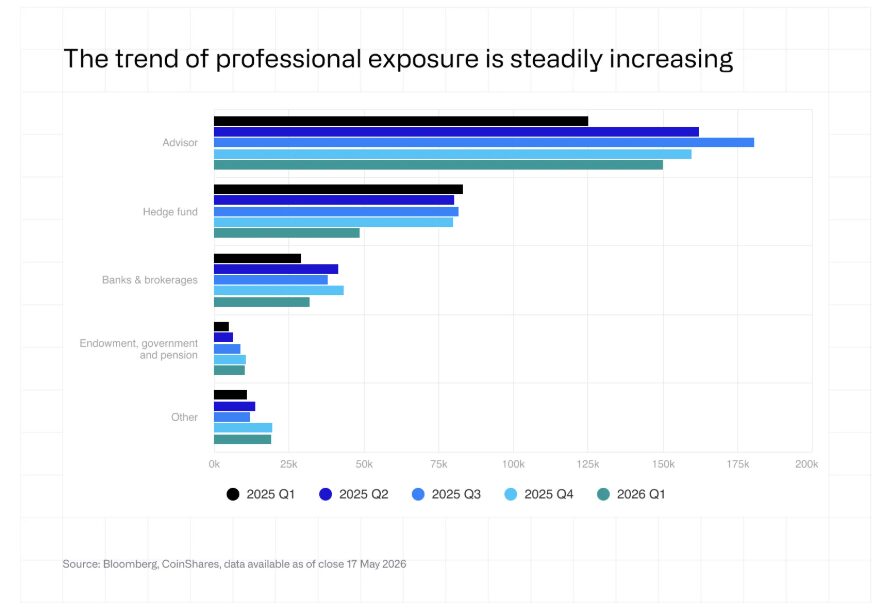
The Real Story Behind Bitcoin’s Institutional “Selloff”
DailyCoin·2026/06/04 16:30
Ripple unlocks RLUSD access across 40 chains via Wormhole bridge
Crypto.News·2026/06/04 16:18
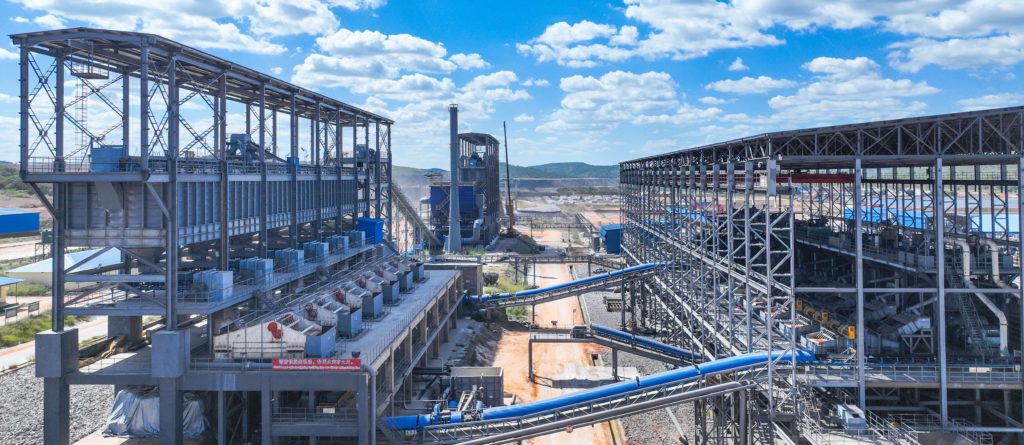
Zimbabwe says China’s Huayou plans lithium carbonate plant
Mining.com·2026/06/04 16:15
Flash
03:20
The U.S. Treasury market faces the test of Friday's employment report: the double-edged sword of high yields and diverging inflation expectations(1) Over the past three months, oil prices and US Treasury yields have climbed in tandem, but Wall Street is concerned that investors are losing patience and demanding higher returns. While higher US Treasury rates may benefit investors, they could also trigger a vicious cycle—more of the income of the US economy, households, and businesses would be spent on interest payments, while the stock market’s upward momentum could be curbed (the S&P 500 has risen nearly 27% in a year). (2) Despite the average gasoline price rising to $4.26 per gallon, the bond market is betting that the inflation rebound won't last. The key 10-year breakeven inflation rate has increased by just about 10 basis points since February, to 2.39%, and according to LPL Financial strategists, this level still hasn’t shaken confidence in the Federal Reserve’s 2% target. However, the 10-year US Treasury yield once surged 70 basis points and last month hit a high not seen since January 2025, approaching 5%. (3) Friday’s jobs report will be a major test. NATIXIS strategists pointed out that recent data only shows “stabilization”; slowing wage growth, shrinking real incomes, and persistent inflation may drag on growth and push yields lower. If the data disappoints the market, it could trigger panic; if inflation proves stubborn and employment remains steady, the Federal Reserve may keep rates unchanged or even lay groundwork for rate hikes. LPL strategists said the market may expect a “soft landing +”, meaning the economy remains resilient but yields stay high—the impact of high oil prices has yet to be fully felt, and the longer it persists, the higher the odds of an economic slowdown.
03:19
AI bubble becomes the focus of public opinion again? Economists warn: Nvidia might be the new Cisco```htmlGolden Ten Data June 5|As NVIDIA once again becomes the center of market attention, it has sparked renewed debate: Can the rapid development of artificial intelligence (AI) support the expectations currently reflected in tech stocks? NVIDIA rose to prominence because of AI—will it end up like Cisco did in the past, heading toward a crash? Dario Perkins, an economist at the macroeconomic research firm TS Lombard, noted in his latest report that history tells us we should act with caution. During the internet boom of the late 1990s, Cisco became one of Wall Street's biggest winners, as investors bet that the company would benefit from the rapid expansion of online infrastructure. Although the internet eventually transformed the global economy, Cisco's profits took much longer to reach the lofty expectations reflected in its share price. "Perhaps NVIDIA is the new Cisco," Perkins wrote; even if a company is highly profitable and holds significant strategic importance, investors can still be disappointed if its growth does not keep pace with market expectations.```
03:08
RMB SHIBOR (Shanghai Interbank Offered Rate): Latest data as of June 5, 2026, shows interest rates decreased in one term, rose in five terms, and remained unchanged in two terms. The overnight Shibor stands at 1.324%, up 0.8 basis points.The “largest fluctuation” across all terms was seen in the 1-week SHIBOR rate for the Renminbi, which rose by 3.4 basis points. (For the SHIBOR levels and changes over the past ten working days, refer to the specialized chart from FX678.) Other periods show: 1-week SHIBOR at 1.382%, up 3.4 basis points; 2-week SHIBOR at 1.38%, up 2.3 basis points; 1-month SHIBOR at 1.3865%, up 0.15 basis points; 3-month SHIBOR at 1.402%, up 0.05 basis points; 6-month SHIBOR at 1.4265%, down 0.05 basis points; 9-month SHIBOR at 1.447%, unchanged; and 1-year SHIBOR at 1.459%, unchanged.