
News
Stay up to date on the latest crypto trends with our expert, in-depth coverage.


Carl Icahn Keeps Buying Monro Stock Even After Poison Pill Defense
Finviz·2026/02/18 17:03
What's Behind The Jump In ImmunityBio Stock?
Finviz·2026/02/18 17:03

Qualcomm's Analysts Are Throwing in the Towel-Time to Be Brave?
Finviz·2026/02/18 17:03

Trump family-backed WLFI token surges 23% ahead of Mar-a-Lago crypto forum
Cointelegraph·2026/02/18 16:54
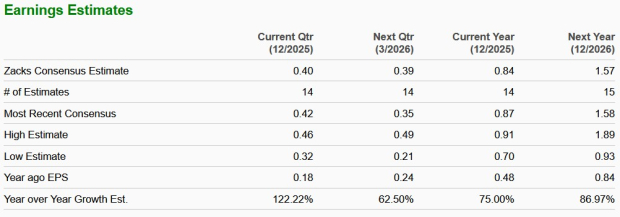
HBM to Report Q4 Earnings: What's in Store for the Stock?
Finviz·2026/02/18 16:51
Fitness Wearable Boom Drives Record Profits For Garmin
Finviz·2026/02/18 16:45
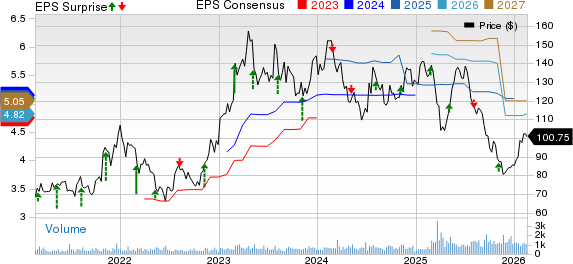
Interparfums Q4 Earnings Coming Up: Is There a Beat in Store?
Finviz·2026/02/18 16:42
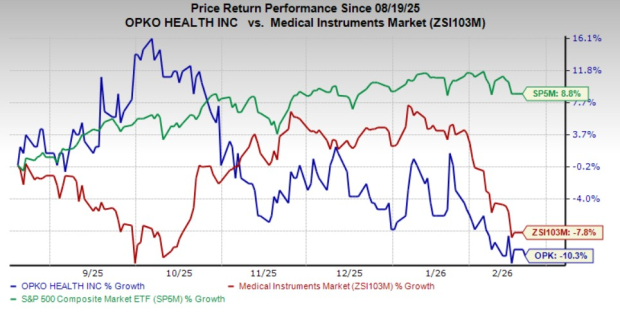
Can OPKO Health's Pipeline Progress and Deals Drive Growth in 2026?
Finviz·2026/02/18 16:42
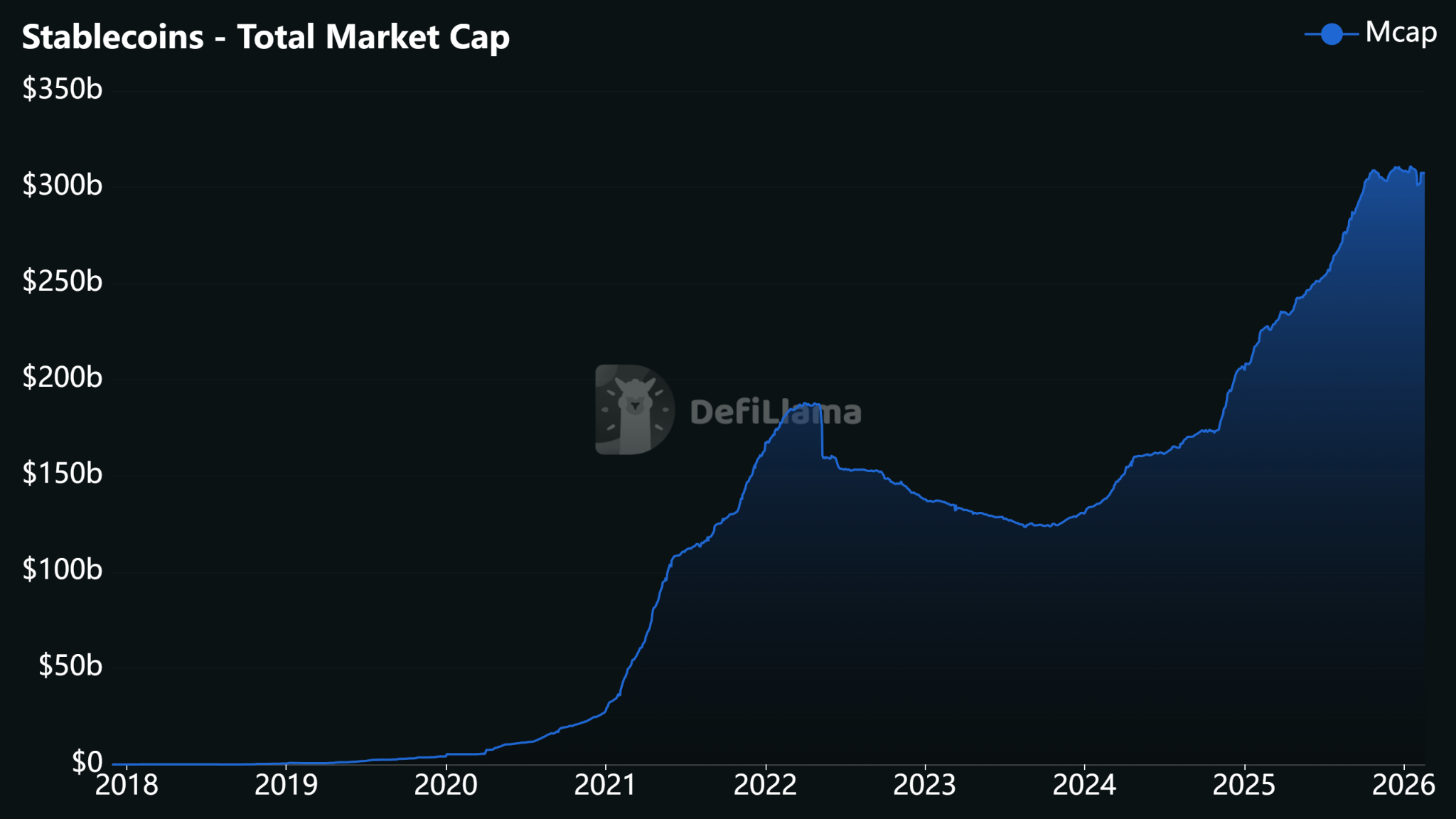
Modern Treasury integrates stablecoin settlement alongside ACH and wires
Cointelegraph·2026/02/18 16:39
NBIS: A Vertically Integrated AI Infrastructure Powerhouse
Finviz·2026/02/18 16:33
Flash
04:47
New address 0x243 deposited 52.67 BTC and opened a $16.3 million XRP long positionThe new wallet address 0x243 deposited 52.67 BTC (USD 3.26 million) into HyperLiquid and sold them, then opened a 20x long position with 14.189 million XRP worth USD 16.3 million. This position is currently showing an unrealized profit of approximately USD 477,000. (Onchain Lens)
04:29
Moonbeam will transform into an AI Agent communication and settlement network, and GLMR will migrate to BaseOdaily reports that the Polkadot parachain Moonbeam has announced the launch of a brand new Moonbeam protocol, transforming into a decentralized AI Agent communication and settlement network for the on-chain economy of the future. At the same time, the GLMR token will migrate to Base at a 1:1 ratio, becoming a native ERC-20 token. The cross-chain migration is now open and will close on July 31, 2026. According to the official statement, users who hold GLMR on centralized exchanges do not need to take any action.
04:22
Micron invests $9 billion to expand its chip factory in western JapanGlonghui, July 4th – Micron Technology has officially launched the expansion project of its western Japan factory, with a total investment of 1.5 trillion yen, aimed at producing advanced memory chips. This expansion is part of the American company's global capacity increase plan to meet the demands of the artificial intelligence industry; the Japanese government will provide up to 500 billion yen in subsidies to help cover construction costs. This factory expansion will help Micron improve the energy efficiency and data transmission efficiency of chips needed for artificial intelligence services and autonomous vehicles. The expanded production line is expected to start production and shipments around the summer of 2028.
News